Finding the right dog trainer near you can transform your pet's behavior and your relationship. Training is essential for puppies and adult dogs alike. It helps prevent behavioral issues and enhances communication.
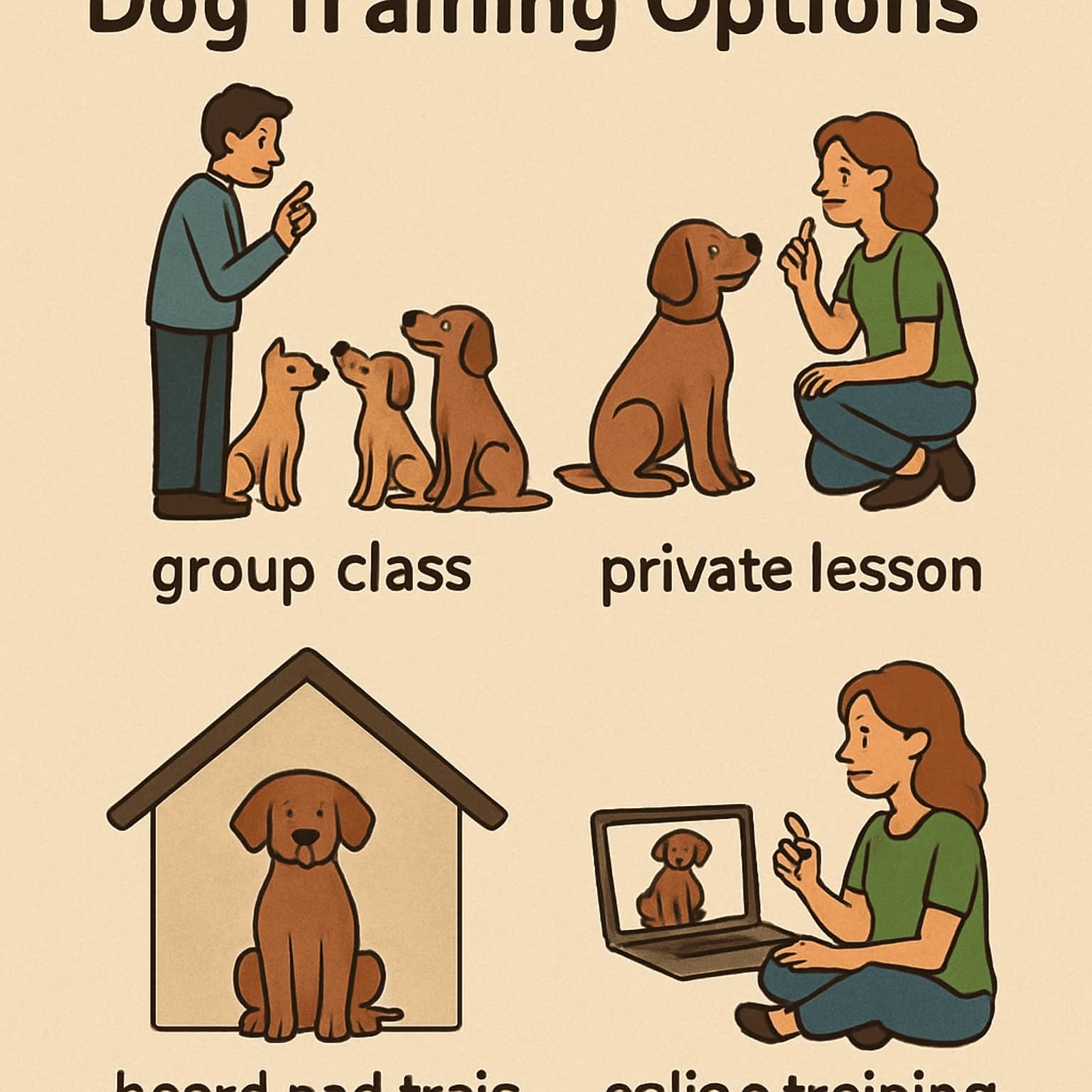
Whether you're looking for puppy classes or adult dog training, options abound. From group sessions to one-on-one lessons, there's a fit for every need.
Professional trainers offer expertise in obedience, socialization, and behavior modification. They use positive reinforcement techniques to encourage good behavior.
Choosing the right trainer involves evaluating credentials, experience, and training methods. It's crucial to find someone who aligns with your philosophy.
Investing in dog training can lead to a happier, more obedient pet. It strengthens the bond between you and your furry friend.
Why Professional Dog Training Matters
Professional dog training is crucial for preventing and correcting unwanted behaviors in dogs. Trained dogs are easier to manage and more pleasant to live with. A skilled trainer uses proven methods to teach dogs desirable behavior.
Consistency and patience are key in training. Trainers help set realistic goals and build habits through repetition. This ensures long-lasting positive behavior in dogs.
There are several benefits to professional dog training, including:
- Improved obedience and responsiveness
- Enhanced social skills with people and other animals
- Reduced anxiety and behavioral issues
Enlisting professional help fosters a stronger bond between you and your dog. It promotes a happier and healthier lifestyle for your pet.
Types of Dog Training Services Near You
Finding the right training service can greatly enhance your dog's learning experience. Many options are available depending on your dog's needs. Each type of training serves different purposes and can address specific issues.
Group Classes
Group classes are popular for teaching basic commands in a social setting. They are perfect for socialization and help dogs learn to behave around others. Puppy classes near you often fall into this category.
One-on-One Sessions
For dogs with specific issues, one-on-one sessions offer personalized attention. These are ideal for addressing behavioral problems that require focused intervention. Trainers can customize lessons to suit your dog's unique needs.
Specialized Programs
Many trainers offer specialized programs, such as puppy bootcamps or canine obedience training. These are intensive and cover a wide range of training techniques. They can be beneficial for rapid behavior correction.
- Puppy obedience training
- Behavior training for dogs with special needs
- French Bulldog training
- Adult dog socialization classes
Training services offer flexibility to suit diverse needs. Choose the service that aligns with your training goals.
How to Choose the Best Dog Trainer Near Me
Selecting a suitable dog trainer involves more than proximity. You need someone whose methods align with your beliefs and your dog's needs. To make an informed choice, consider several factors.
Begin by researching local trainers online and reading reviews. This helps gauge their reputation and success rates with clients. Look for testimonials that highlight their communication and instruction skills.
Evaluating the trainer's experience and credentials is crucial. Certifications from recognized institutions indicate professional credibility. Experienced trainers are often better equipped to handle diverse behavioral challenges.
Visit training centers to observe sessions firsthand. This gives insight into the training environment and the trainer's interaction with dogs. Seeing their techniques in action can reassure you of their approach.
Checklist for Choosing a Dog Trainer
- Certified training credentials
- Positive client reviews and testimonials
- Comfortable and safe training environment
- Experience with specific breeds or issues
By following these steps, you can find a trainer who will foster a positive experience for both you and your dog.
Group Classes vs. One-on-One Training
Deciding between group classes and one-on-one training depends on your dog's personality and your goals. Each option has unique benefits suited to different needs.
Group classes are excellent for dogs needing socialization. They learn to interact with other dogs, which helps improve their social skills. Additionally, group settings can offer cost savings compared to private sessions.
On the other hand, one-on-one training is tailored to specific issues or goals. It offers personalized attention that is ideal for addressing particular behavioral problems. Individual sessions can also progress at your dog's pace, leading to customized learning.
Considerations for Choosing
- Is your dog sociable or shy?
- What are your specific training goals?
- Do you prefer a tailored or a general approach?
By weighing these factors, you can choose the format that best suits your pet’s needs.
Specialized Training: Puppies, Adults, and Behavioral Issues
Training needs to fit the age and personality of your dog. Puppies benefit from early guidance to establish good habits. Specialized puppy classes focus on basic commands and socialization, which are crucial in preventing future behavioral issues.
Adult dogs require different attention. Training for mature dogs often reinforces obedience and addresses specific challenges. Consistent guidance can strengthen your bond and improve daily interactions. Adult dog training also integrates activities that cater to their energy levels and interests.
Behavioral problems, such as aggression or anxiety, demand expert intervention. Behavioral dog trainers near you can identify root causes and create effective training plans. They often use positive reinforcement techniques to encourage good behavior.
Key Specialized Training
- Puppy obedience and socialization
- Adult obedience reinforcement
- Behavior issue intervention
Targeting training to the specific phase of your dog’s life can lead to remarkable improvements.
What to Expect: The Dog Training Process
Dog training begins with an assessment of your pet's needs. Trainers evaluate your dog's behavior, personality, and specific challenges. This step is crucial for crafting a personalized training plan.
The actual training involves a series of structured sessions. These can be group classes or private lessons, depending on your preference. Each session focuses on building new skills using positive reinforcement.
Training extends beyond class. Expect homework to reinforce lessons at home. Consistency and practice are keys to success. As the process unfolds, your dog will gradually learn and adapt, leading to improved behavior.
Key Aspects of Training Process
- Initial behavioral assessment
- Structured, skill-focused sessions
- Home practice and reinforcement
Understanding these stages equips you to support your dog throughout the training journey.
Tips for Finding Affordable and Quality Dog Training
Finding quality dog training that fits your budget can be a challenge. Start by researching local trainers and reading reviews. Recommendations from friends or neighbors who have had positive experiences are invaluable.
Consider local animal shelters or community centers, which might offer training classes at lower rates. It’s important to compare the costs and services of multiple trainers to ensure you get the best value.
Cost-Saving Tips
- Ask about package deals or discounts
- Explore online training options
- Attend free initial consultations when available
With careful planning, you can provide your dog with the training they need without breaking the bank.
Frequently Asked Questions About Dog Training Near Me
Many dog owners have questions about local dog training options. Common concerns include the cost, duration, and effectiveness of training programs. Here's a quick FAQ to address some of these common queries.
FAQs
- How long does a typical training program last? Programs can last from a few weeks to a few months depending on the dog's needs.
- Are group classes or private sessions more effective? This varies based on your dog's personality and specific training requirements.
Final Thoughts: Building a Better Bond With Your Dog
Training is not just about correcting behavior; it's about enhancing the bond between you and your dog. Consistent and positive training experiences deepen understanding and trust.
By investing time and effort in training, you’re setting your dog up for a happier, more fulfilling life. This shared journey ultimately strengthens your relationship and creates lasting companionship.