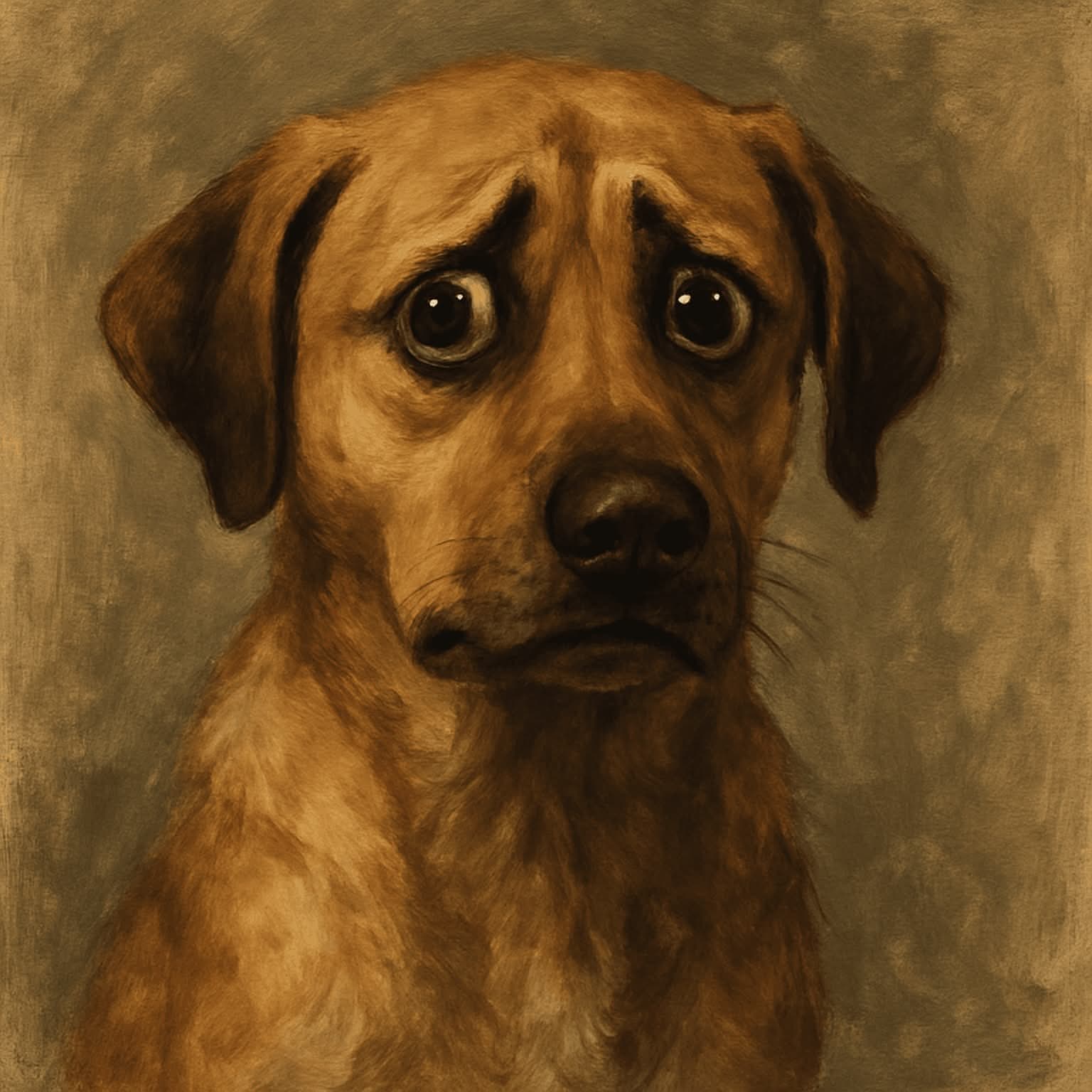
Identifying anxiety in dogs isn't always straightforward. Dogs may not show obvious signs initially, and subtle changes in their behavior can often go unnoticed. However, certain behaviors can indicate that your dog is experiencing anxiety. Observing your dog closely and noting any changes in behavior or routine can be crucial in identifying anxiety.
Common Signs Your Dog May Be Anxious
Here are some signs to watch for:
If your dog is barking or whining more than usual, it could be a sign of anxiety. Dogs often vocalize their distress, and this behavior can occur when they are left alone or in unfamiliar environments. Excessive vocalization might also occur in response to specific triggers, such as loud noises or the presence of strangers. It's important to distinguish between normal communication and anxiety-driven behavior to address it appropriately.
Chewing furniture, digging, or other destructive acts are common signs of anxiety in dogs. This behavior is often an outlet for their stress and can occur when they are left alone or feel threatened. Destructive behavior can also be a dog's way of coping with boredom or lack of exercise, so ensuring your pet is well-stimulated can help mitigate these actions. Understanding the context of these behaviors is key to determining if they stem from anxiety.
Trembling or shaking can be a physical manifestation of anxiety. If your dog trembles during storms, fireworks, or other stressful events, they might be experiencing anxiety. This response can be particularly distressing for both the dog and the owner, as it is a clear sign of the dog's discomfort. Observing when these episodes occur can help identify specific anxiety triggers, allowing for more targeted intervention.
An anxious dog may eat more or less than usual. If you notice a sudden change in your dog's eating habits, it could be a sign of anxiety. These changes can manifest as a reduced interest in food or compulsive overeating, both of which can impact your dog's health. Monitoring your dog's eating patterns can provide insight into their emotional state, allowing for timely intervention.
Increased aggression towards people or other animals can be a symptom of anxiety. If your usually friendly dog becomes irritable, it might be time to consult with a vet. Anxiety-induced aggression can be unpredictable and potentially dangerous, making it crucial to address it promptly. Understanding the underlying cause of this behavior is essential in managing it effectively and ensuring the safety of both your dog and those around them.
Causes of Dog Anxiety
Understanding the root causes of your dog's anxiety can help you address the problem more effectively. Anxiety can stem from various sources, each requiring a unique approach to treatment. Here are some common causes:
Many dogs experience anxiety when left alone. This type of anxiety is common in dogs that have been rehomed or have had previous traumatic experiences. Separation anxiety can manifest as destructive behavior, excessive barking, or attempts to escape when left alone. Building a consistent routine and gradually increasing the time spent apart can help reduce anxiety over time.
Thunderstorms, fireworks, and other loud noises can trigger anxiety in dogs. This is often due to their heightened sense of hearing. Dogs may try to hide, shake, or seek comfort from their owners during these events. Providing a safe space and using calming techniques can help alleviate their fear and create a more reassuring environment.
Moving to a new home, changes in family dynamics, or the introduction of a new pet can cause anxiety in dogs. Dogs thrive on routine, and any disruption can lead to stress. Gradually acclimating your dog to changes and maintaining a consistent routine can help them adjust more comfortably. Providing extra attention and reassurance during transitions can also ease their anxiety.
Effective Treatments for Dog Anxiety
Once you've identified that your dog is experiencing anxiety, the next step is exploring treatment options. Addressing anxiety involves a combination of behavioral techniques, medication, and natural remedies. Here are some effective methods:
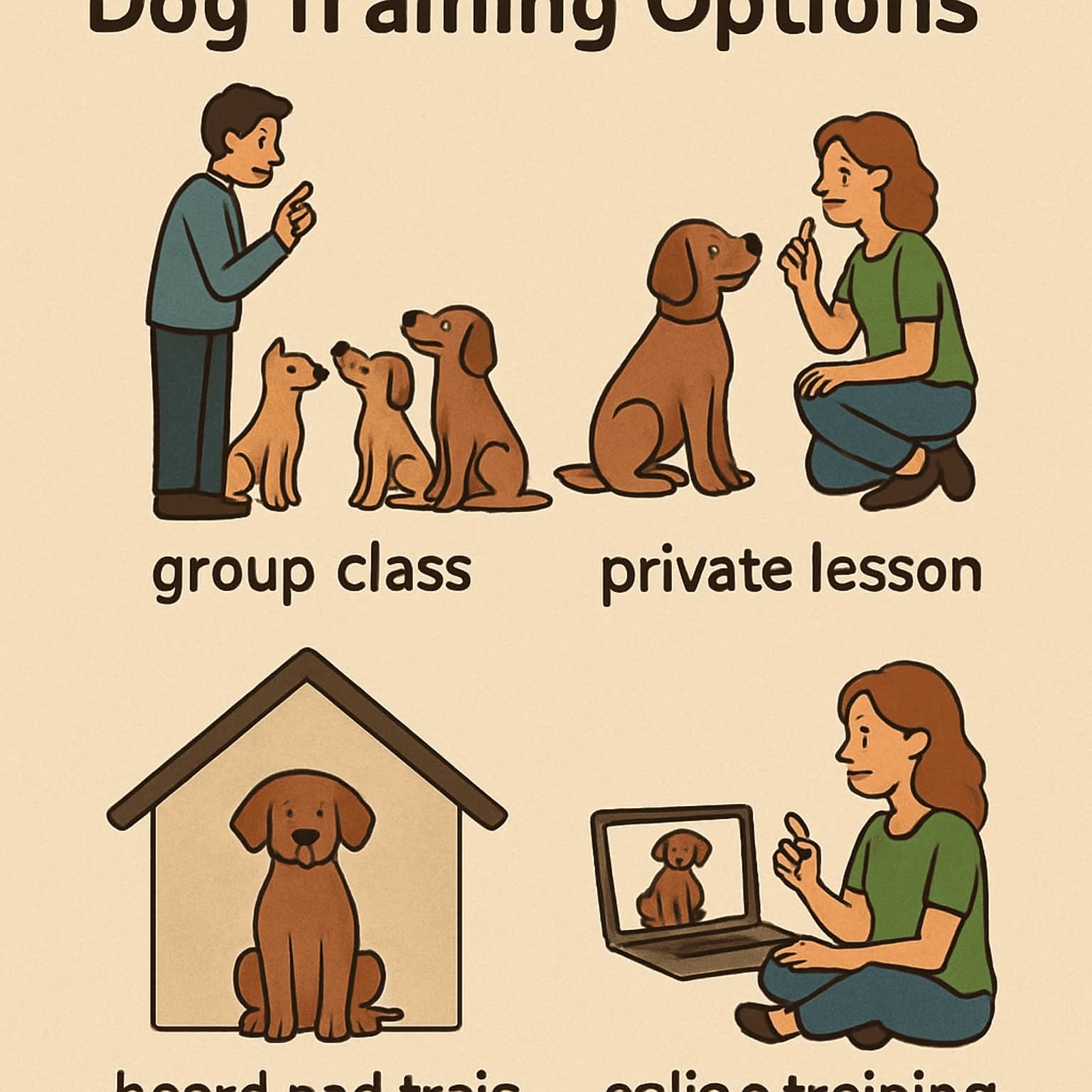
Training and behavior modification can help reduce anxiety in dogs. Techniques such as desensitization and counterconditioning can teach your dog to remain calm in stressful situations. Consistent training and positive reinforcement can build your dog's confidence and reduce their anxiety over time. Engaging a professional trainer can be beneficial in tailoring a program specific to your dog's needs.
In some cases, canine sedatives or tranquilizers may be necessary. These medications can help calm your dog during particularly stressful events like vet visits or travel. Using these medications should be a temporary solution, as they do not address the root cause of anxiety. It's crucial to follow a veterinarian's guidance to avoid potential side effects and ensure the safety of your pet.
For mild anxiety, over-the-counter (OTC) sedatives can be effective. However, it's essential to consult with a vet before giving your dog any medication to ensure it's safe and appropriate. OTC options can provide temporary relief for situational anxiety, such as car rides or visits to unfamiliar places. Understanding the correct dosage and monitoring your dog's response is vital to prevent adverse reactions.
For more severe anxiety, prescription medications like gabapentin or Xanax may be recommended. These medications should only be used under the guidance of a veterinarian. Prescription options can be part of a comprehensive treatment plan that includes behavioral therapy and other interventions. Regular follow-ups with your vet are necessary to adjust dosages and monitor your dog's progress.
Natural remedies such as CBD oil, herbal supplements, or pheromone diffusers can also help alleviate anxiety in dogs. These options are often used in conjunction with behavioral training. Natural remedies can be appealing for those looking for alternative treatments, but it's important to discuss their use with a vet to ensure compatibility with other treatments. Consistency and patience are key when using natural remedies, as they may take time to show effects.
Citalopram, a human antidepressant, is sometimes used off-label for dogs. However, this should only be done under a vet's supervision, as the dosage and effects can vary significantly. It's crucial to understand the potential side effects and interactions with other medications before considering this option. A vet can provide detailed information on the benefits and risks associated with using human medications for canine anxiety.
If you're unsure whether your dog needs anxiety treatment, consulting a veterinarian is always a good idea. Veterinarians can assess your dog's behavior and health to provide a proper diagnosis. They can guide you through the complexities of treatment options, ensuring that your approach is safe and effective. They can provide a proper diagnosis and recommend the best course of action.
If medication is deemed necessary, your veterinarian can prescribe the appropriate anxiety medication for dogs. They will consider factors such as your dog's age, weight, and overall health before prescribing. This personalized approach ensures that your dog receives the correct dosage and medication type for their specific needs. It's important to follow the vet's instructions closely and report any changes in your dog's condition.
Yes, there are several medications available for treating anxiety in dogs. These include anti-anxiety meds, sedatives, and tranquilizers. Your vet can help determine which is best for your dog. A thorough evaluation of your dog's health and behavior will guide the selection of the most suitable medication. Regular communication with your vet ensures that the treatment remains effective and adjustments are made as needed.
Recognizing and treating anxiety in dogs is crucial for their well-being. By understanding the signs and exploring treatment options, you can help your furry friend lead a happier, more relaxed life. Addressing anxiety proactively can prevent escalation and improve your dog's overall quality of life. Remember, consulting with a veterinarian is key to finding the best solution for your dog's anxiety.
Conclusion
In summary, whether it's through behavioral training, natural remedies, or medication, there are various ways to address your dog's anxiety. With proper care and attention, you can help your dog manage their anxiety and enjoy life to the fullest. Empowering yourself with knowledge and seeking professional guidance ensures that your dog receives the best possible care. Your commitment to your dog's mental health can make a significant difference in their happiness and well-being.