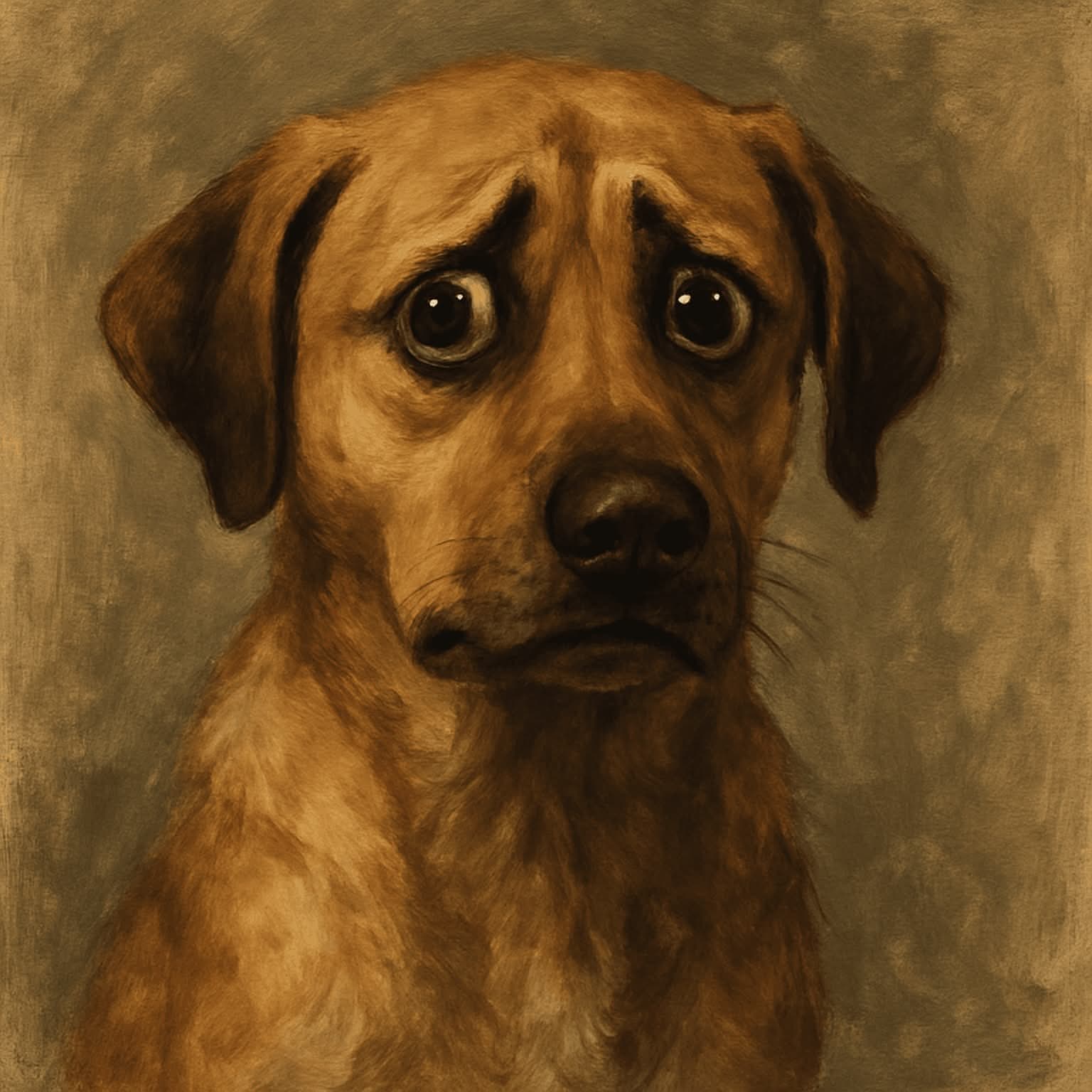
Understanding the emotional well-being of our pets is essential for their overall health and happiness. Just like humans, pets can experience anxiety, which can significantly impact their quality of life. Recognizing the signs of anxiety in pets, whether it's dog anxiety or cat anxiety, is crucial for providing them with the appropriate care and support.
In this article, we will explore the common signs of anxiety in pets, the potential causes, and how you can help your furry friends feel more at ease.
Identifying anxiety in pets can sometimes be challenging, especially because they can't communicate verbally. However, there are several behavioral and physical signs that may indicate your pet is feeling anxious.
Behavioral Signs
- Excessive Barking or Meowing: If your dog or cat is barking or meowing more than usual, it could be a sign of anxiety. This is particularly noticeable if the vocalization occurs when they are left alone or in new situations.
- Destructive Behavior: Pets may chew on furniture, dig holes, or scratch excessively when they are anxious. This behavior is often a way to cope with their emotions.
- Restlessness: An anxious pet may have difficulty settling down. They might pace back and forth or have trouble relaxing in their usual spots.
- Aggression: While not always the case, some pets become more aggressive when anxious. They might snap, bite, or hiss at other animals or humans.
- Avoidance or Hiding: If your pet is suddenly hiding more often or avoiding interaction, it could indicate anxiety.
Physical Signs
- Panting and Drooling: Dogs, in particular, may pant excessively or drool when they are anxious. This is often accompanied by other signs of distress.
- Trembling or Shaking: Noticeable trembling or shaking can be a clear sign of anxiety, especially in situations your pet finds stressful.
- Excessive Licking or Grooming: Cats and dogs may lick or groom themselves excessively when anxious, sometimes leading to bald patches or skin irritation.
- Loss of Appetite: Anxiety can cause pets to eat less or refuse food altogether. This can lead to weight loss and other health issues.
- Changes in Bathroom Habits: Anxious pets might have accidents indoors or show a sudden change in their bathroom habits.
Potential Causes of Pet Anxiety
Understanding the root cause of your pet's anxiety is the first step in addressing it. Here are some common causes:
Separation Anxiety
Many pets experience anxiety when left alone. This type of anxiety is prevalent in dogs and can lead to destructive behavior and vocalization.
Loud Noises
Thunderstorms, fireworks, and other loud noises can trigger anxiety in pets. They might hide, shake, or try to escape the noise.
Changes in Environment
Moving to a new home, changes in the household, or the addition of new pets can cause anxiety. Pets thrive on routine, and any disruption can be stressful.
Past Trauma
Rescue pets or those with a history of abuse may exhibit anxiety due to past trauma. Their previous experiences can make them more sensitive to certain situations.
Lack of Socialization
Pets that haven't been properly socialized may become anxious in unfamiliar situations or around strangers. Early socialization is crucial for building confidence.
Helping Your Anxious Pet
If you suspect your pet is anxious, there are several steps you can take to help them feel more comfortable and secure.
Create a Safe Space
Designate a quiet and comfortable area in your home where your pet can retreat to when feeling anxious. This space should be away from loud noises and disruptions.
Maintain a Routine
Pets feel more secure with a consistent routine. Try to keep feeding times, walks, and playtime on a regular schedule to provide stability.
Use Calming Products
There are various products available that can help soothe anxious pets. Consider using a calming collar, pheromone diffuser, or anxiety wrap to provide comfort.
Behavioral Training
Working with a professional pet trainer or behaviorist can be beneficial. They can help you develop strategies to reduce anxiety and improve your pet's confidence.
Provide Mental and Physical Stimulation
Regular exercise and mental stimulation are essential for a pet's well-being. Interactive toys, puzzle feeders, and daily walks can help alleviate anxiety.
Consult Your Veterinarian
If your pet's anxiety is severe, consult your veterinarian. They can rule out any underlying health issues and may recommend medications or therapies.
The Role of Pet Therapy and Mental Health
Pet therapy and mental health awareness are increasingly recognized as vital components of pet wellness. Therapy can include activities such as agility training, massage therapy, or even pet acupuncture. These therapies aim to reduce stress and improve the overall mental health of your pet.
Conclusion
Recognizing and addressing anxiety in pets is crucial for their well-being. By understanding the signs and causes of anxiety, you can take proactive steps to ensure your pet leads a happy and healthy life. Remember, you're not alone in this journey—resources like WoafMeow and your veterinarian are there to support you and your furry friend.
By prioritizing your pet's mental health, you contribute to their overall wellness, ensuring they remain a beloved and integral part of your family for years to come.